When the Market Reacts: How Bookmakers Handle Major Swings in Cycling Betting

When the Market Reacts: How Bookmakers Handle Major Swings in Cycling Betting
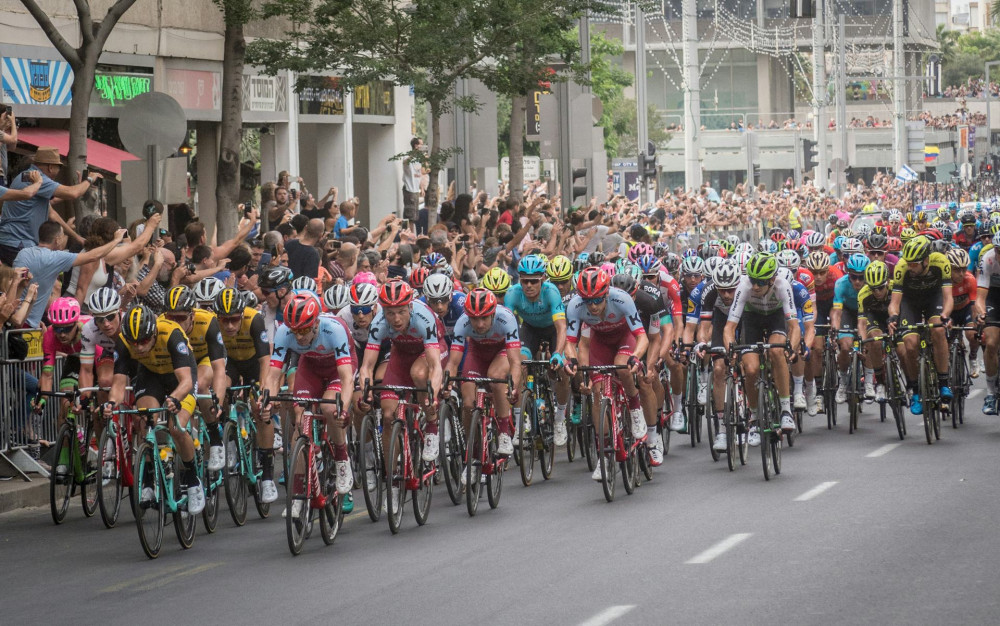
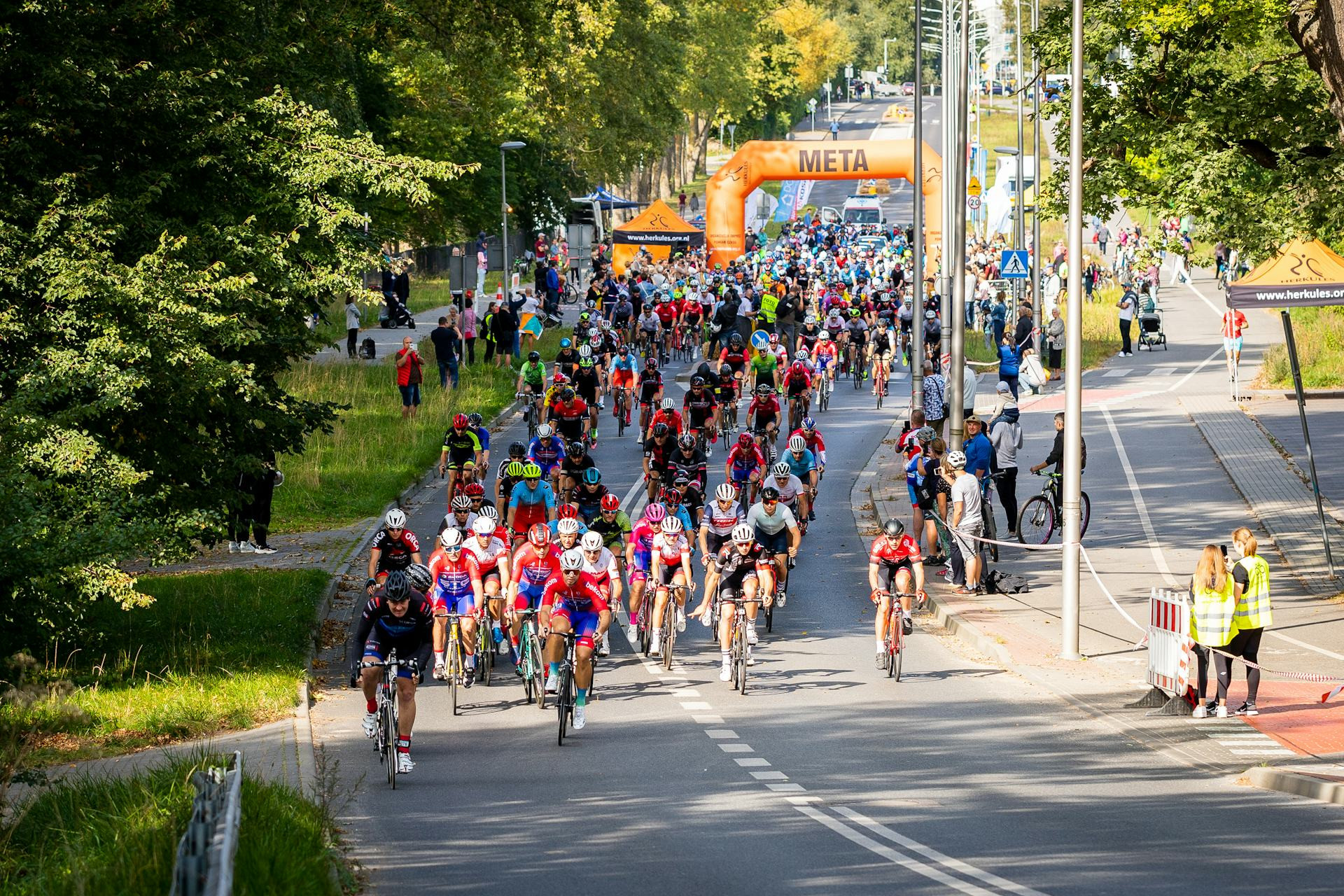
When a cyclist unexpectedly wins a major race—or when a favorite crashes out of the Tour de France—the betting market reacts instantly. Odds shift, bettors rush to place new wagers, and bookmakers must recalculate probabilities within seconds. Cycling betting is a market where form, weather, and tactics can flip everything upside down, forcing bookmakers to constantly balance risk and prediction.
A Market in Constant Motion
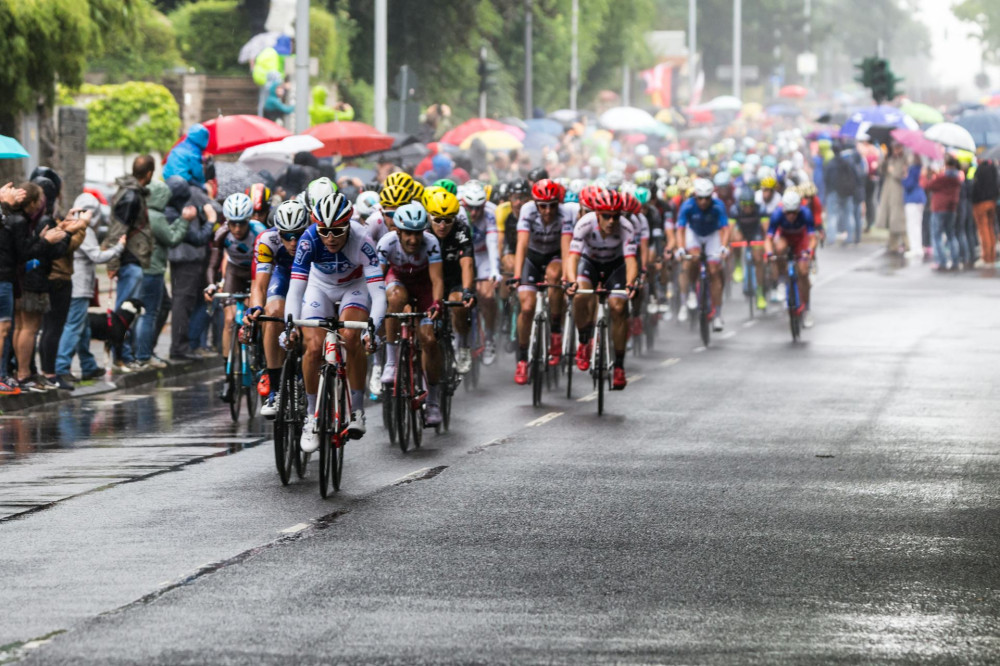
Professional cycling is unpredictable. A flat tire, a crash, or a sudden crosswind can change the entire race dynamic. For bookmakers, that means odds must be adjusted continuously—often while the race is still unfolding.
Most major sportsbooks rely on advanced algorithms that monitor live race data. GPS tracking, time splits, and live commentary are analyzed in real time so the system can react faster than any human could. Still, even with technology, experience matters. Knowing when—and how much—to adjust an odd requires a mix of data analysis and intuition.
When the Favorite Falls—and the Market Explodes
One of the most dramatic market swings happens when a top contender crashes. The moment that news breaks, the market goes wild. Bettors who are following the race closely try to capitalize on the situation, while bookmakers scramble to close the gap between old and new odds.
To avoid major losses, bookmakers may temporarily suspend betting on a race until the situation becomes clear. This often happens when there’s uncertainty about a rider’s condition or the race’s continuation. Once betting reopens, the odds are recalibrated—sometimes drastically.
Data, Models, and Human Judgment
While algorithms play a central role, human judgment remains essential. Bookmakers employ cycling specialists who follow the sport closely and can interpret nuances that data alone can’t capture—like a rider’s body language, team tactics, or the weather forecast for the next mountain stage.
These experts work alongside data analysts to strike a balance between statistics and intuition. It’s this combination that makes cycling betting both complex and fascinating.
Læs også:
Managing Risk Responsibly
When the market moves quickly, bookmakers face significant exposure. That’s why they employ “risk managers” who monitor how much money is being placed on each rider and adjust odds to spread the risk.
If too many bettors back the same outsider, a surprise win could mean a major payout. So the challenge isn’t just predicting outcomes—it’s managing how the money flows across the market.
Smarter, Faster Bettors
As cycling has become more data-driven, bettors have become more informed. Many follow riders’ power data, training stats, and social media updates to spot trends before the bookmakers do.
That means bookmakers must stay ahead of the curve. They need to react not only to sporting developments but also to social signals—from a rider’s illness update to a sudden weather change in the Pyrenees.
The Future of Cycling Betting
With the rise of live data and artificial intelligence, cycling betting is becoming increasingly dynamic. In the near future, odds may adjust second by second, based on riders’ real-time performance metrics.
But no matter how advanced the technology becomes, there will always be an element of uncertainty—and that’s exactly what makes betting on cycling so thrilling. For bookmakers, the challenge is to manage that uncertainty with precision, experience, and a touch of intuition.
Læs også: