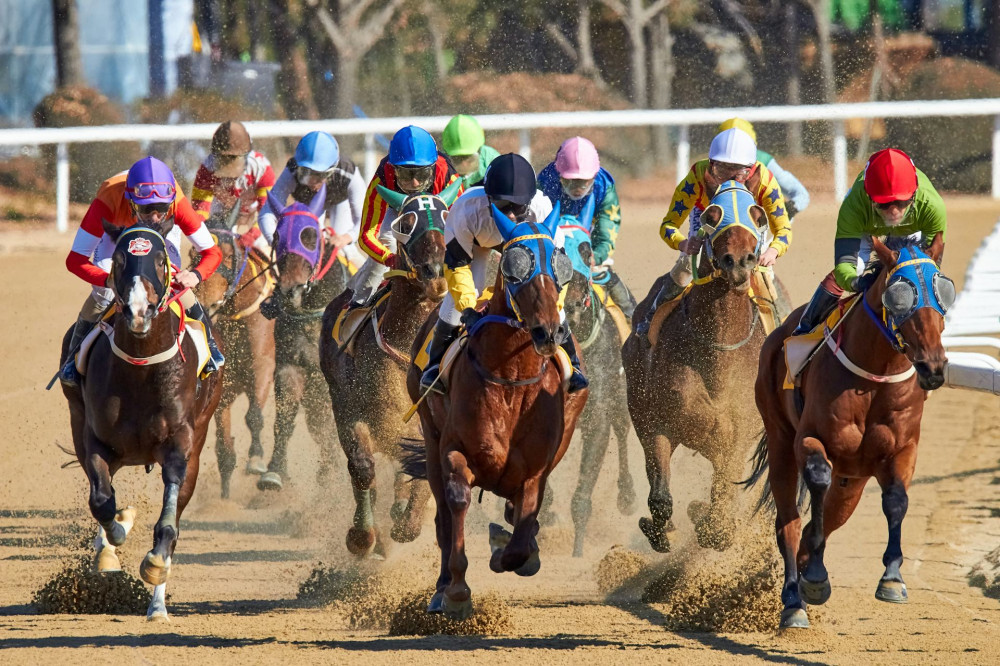
Learn from Others’ Analyses – but Trust Your Own Judgment of Bike Races

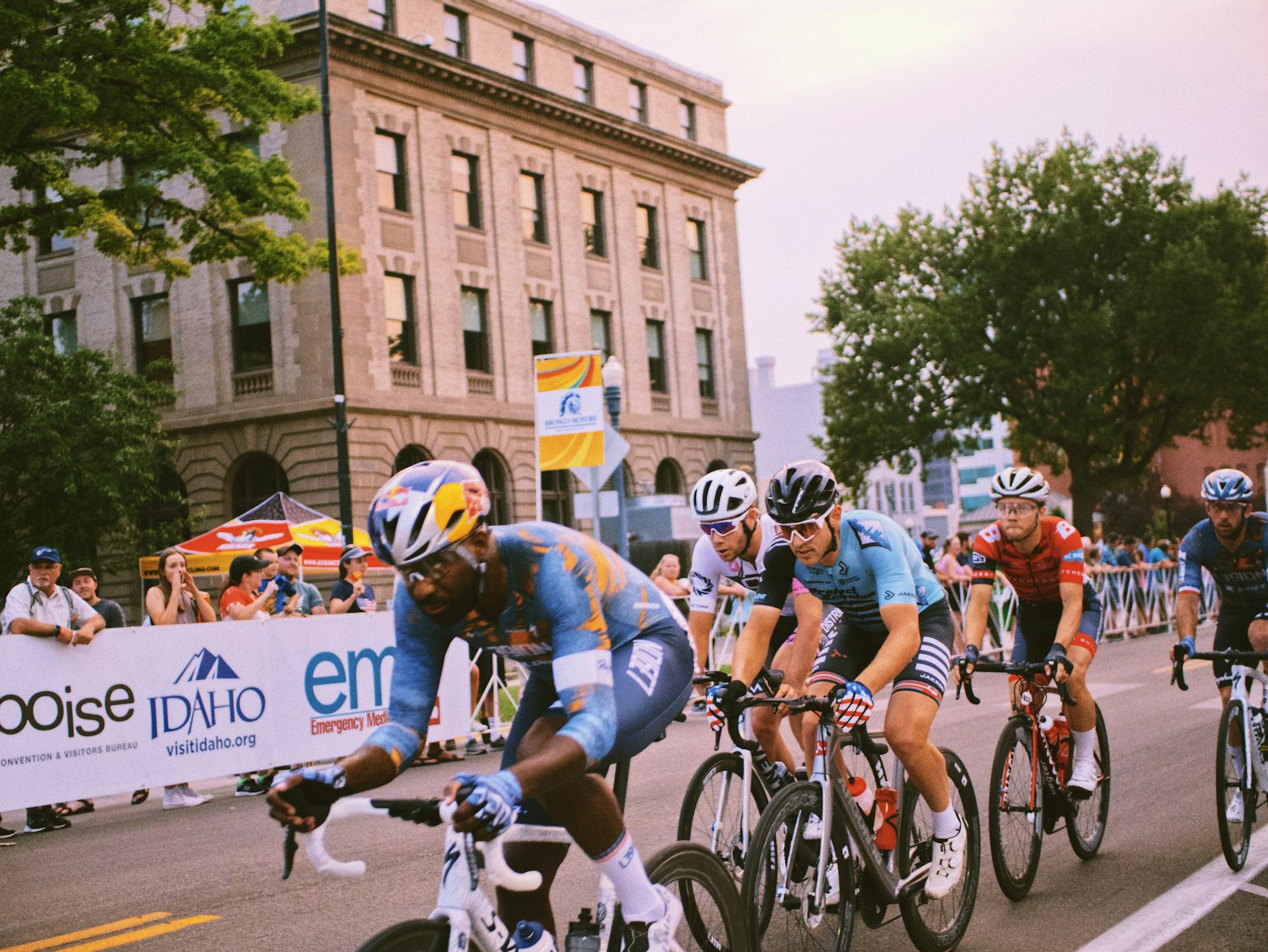
Learn from Others’ Analyses – but Trust Your Own Judgment of Bike Races
When you follow professional cycling closely—whether it’s the Tour de France, the Giro d’Italia, or the big American races like the Tour of California—it’s easy to get swept up in expert commentary and media predictions. There’s no shortage of podcasts, YouTube breakdowns, and social media threads dissecting riders’ form, team tactics, and weather forecasts. Listening to these analyses can be educational, but it’s worth remembering that no one holds the absolute truth. Bike racing is unpredictable, and that’s exactly why you should trust your own judgment.
Analyze – but Don’t Let It Control You
Commentators and analysts can offer valuable insights into riders’ strengths, team dynamics, and course profiles. They often have access to data and experience that help explain why a race unfolds the way it does. But every analysis is an interpretation—and interpretations are shaped by personal preferences, past results, or even national bias.
If you follow an analyst who always favors certain riders or teams, you might unconsciously overestimate their chances. Use others’ analyses as inspiration, not as gospel. Ask yourself: What do I see that they might be missing? What factors could change the outcome of this race?
Læs også:
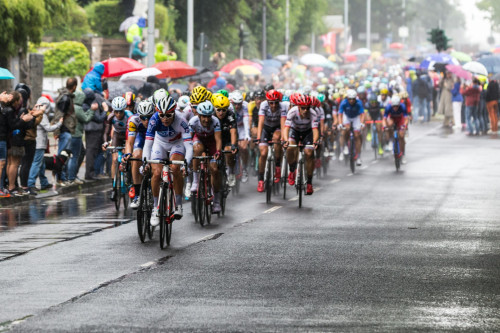
Learn to Read the Race Yourself
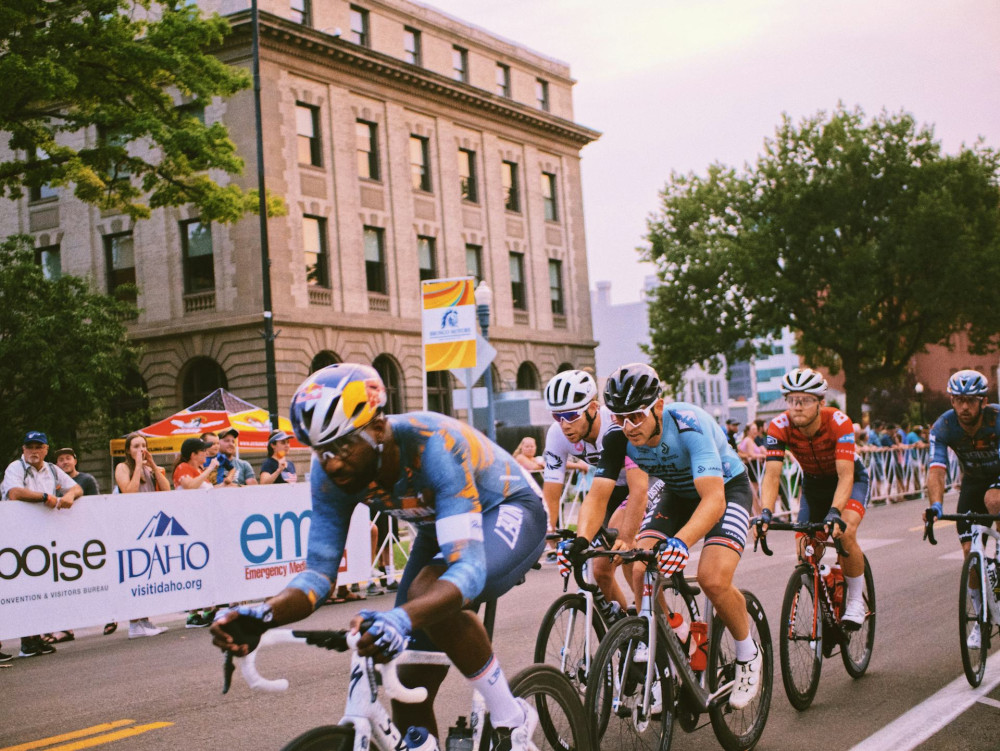
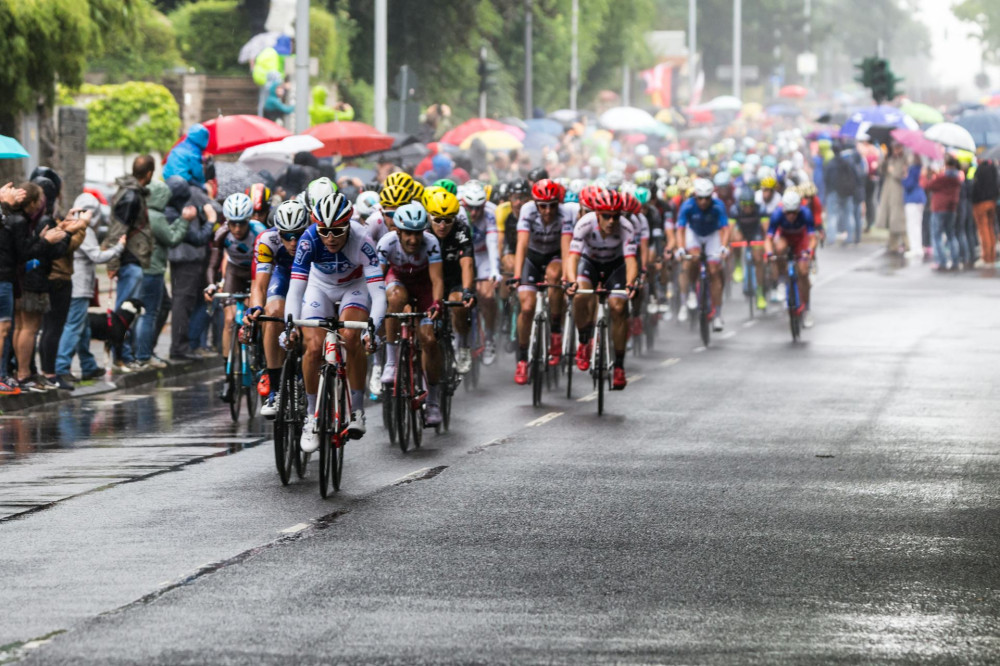
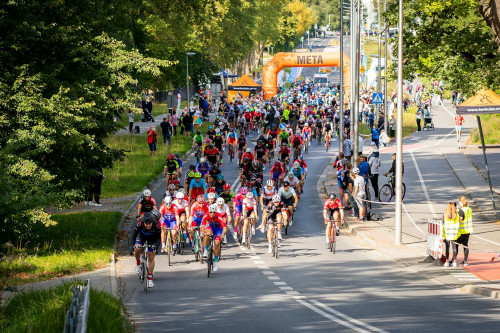
Developing your own understanding of cycling takes time and observation. Watch how riders respond to climbs, crosswinds, and changes in pace. Notice which teams take responsibility for chasing breakaways and which riders save energy for the finale. Over time, you’ll start to recognize patterns—and you may find that your own intuition is often right.
A good habit is to take notes during races: Who looked strong? Who seemed to struggle? How did the weather affect tactics? These observations can be more valuable than any expert commentary because they’re based on your own impressions.
Data Helps – but It’s Not Everything
Modern cycling is full of data: power numbers, heart rates, speeds, and elevation profiles. It’s tempting to think the numbers tell the whole story. But racing is also about psychology, timing, and teamwork. A rider can have the best stats on paper and still lose because he attacked at the wrong moment—or because another rider simply wanted it more.
Use data as a tool, not a substitute for your own judgment. Ask how the numbers fit into the race context. A rider who’s been racing heavily might be fatigued even if his recent results look good. Another might be building form quietly, ready to surprise when the timing is right.
If You Bet on Bike Races
If you enjoy betting on cycling, keeping a critical mindset is even more important. The market reacts quickly to expert opinions, and odds shift accordingly. That means the best opportunities often appear before the general public catches on.
Your own observations can give you an edge. Maybe you’ve noticed a rider who handles crosswinds better than most, or a team that’s changed its strategy. Details like these can make all the difference—and they’re rarely spotted by those who rely only on mainstream analysis.
Trust Your Experience
The more races you watch, the better you’ll become at reading them. Experience helps you distinguish between coincidence and trend. You’ll learn when a breakaway has a real chance and when it’s just a tactical move. You’ll recognize which riders thrive in bad weather and which ones fade when the road tilts upward.
Trusting your own judgment doesn’t mean ignoring others’ insights—it means having the confidence to stand by your own analysis, even when it goes against the crowd. That’s part of what makes cycling so fascinating: there’s always room for interpretation, intuition, and surprise.
Bike Racing Is More Than Predictions
In the end, cycling isn’t just about predicting winners—it’s about understanding the dynamics, the drama, and the human stories behind the race. When you learn to combine others’ analyses with your own judgment, you gain a deeper appreciation of the sport—and maybe even better results if you like to wager on it.
So listen, read, and learn—but remember, it’s your own perspective that makes you a sharp observer of bike racing.
Læs også: