Grand Tours vs. Smaller Stage Races: Differences in Predictions and Strategy
Grand Tours vs. Smaller Stage Races: Differences in Predictions and Strategy
For American cycling fans, it’s easy to assume that all stage races follow the same logic. But the difference between a three-week Grand Tour and a shorter race like the Tour of California (when it was held) or the Critérium du Dauphiné is dramatic — for riders, teams, and those trying to predict outcomes. Endurance, strategy, and tactical priorities shift completely depending on the length and complexity of the race.
Grand Tours: Endurance, Control, and Long-Term Strategy
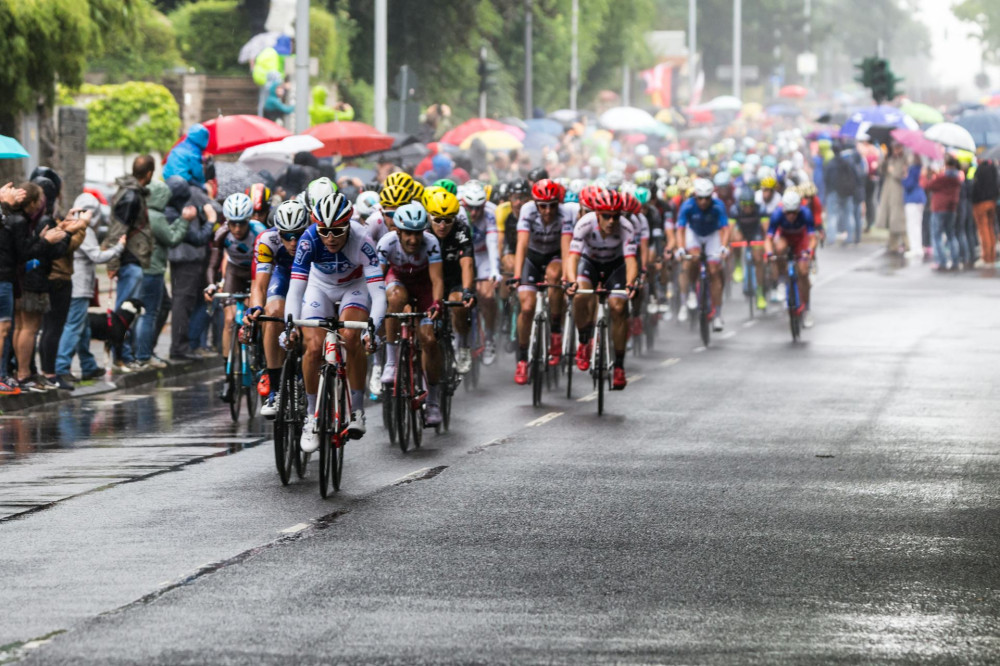
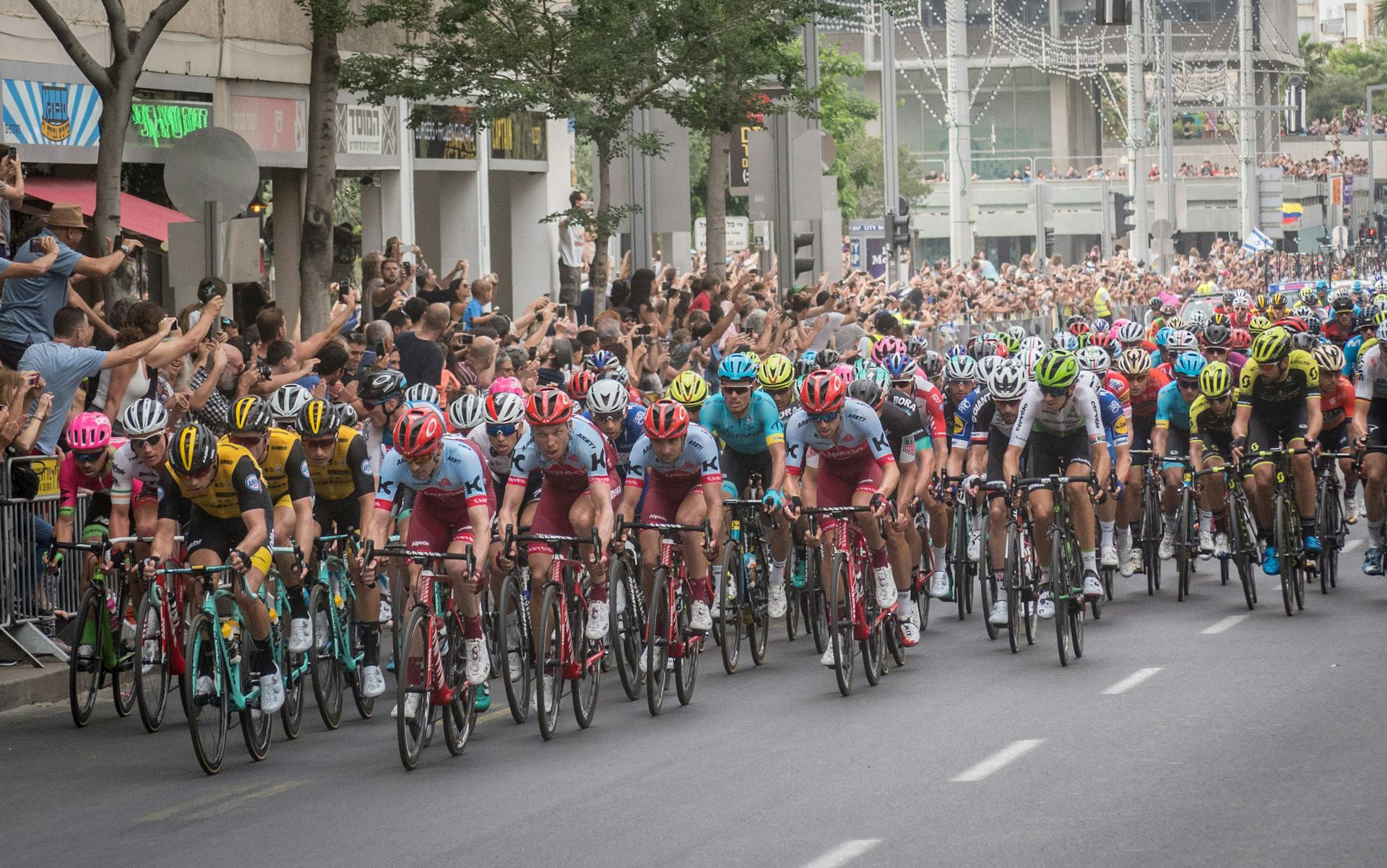
The three Grand Tours — the Tour de France, Giro d’Italia, and Vuelta a España — are cycling’s ultimate endurance tests. Over 21 stages and more than 2,000 miles, riders face mountains, time trials, and unpredictable weather. Teams must manage not just performance but recovery, nutrition, and mental focus over three relentless weeks.
Predictions in Grand Tours are complex. A favorite can lose time on one bad day and still recover later. Analysts and fans look beyond raw power to factors like team strength, experience, and recovery ability. Data from previous long races, performance in high heat or altitude, and consistency in the third week all weigh heavily in forecasting who will prevail.
Strategically, Grand Tours are about control and patience. Teams with general classification ambitions aim to minimize risks, protect their leader, and conserve energy. Sprinter teams target specific flat stages, while climbers wait for the high mountains to make their moves. Many days are about maintaining position rather than attacking — until the decisive moments in the Alps, Pyrenees, or time trials.
Læs også:
Smaller Stage Races: Intensity and Short-Term Tactics
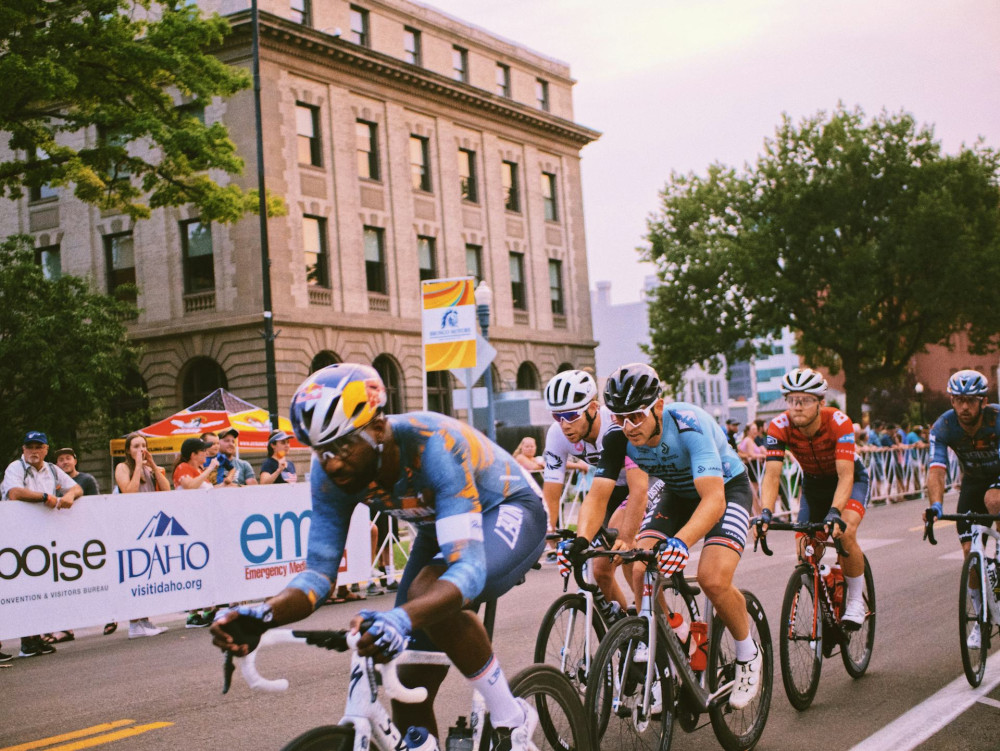
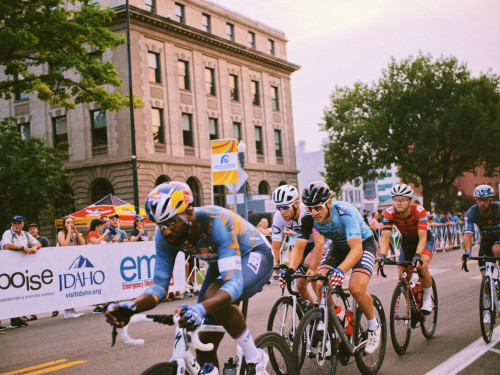
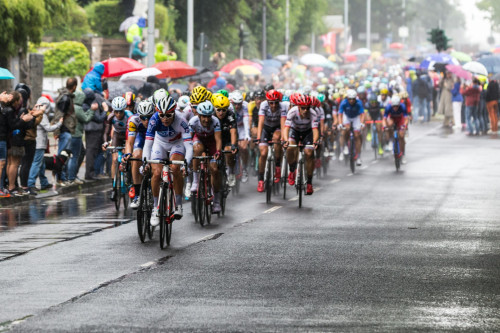
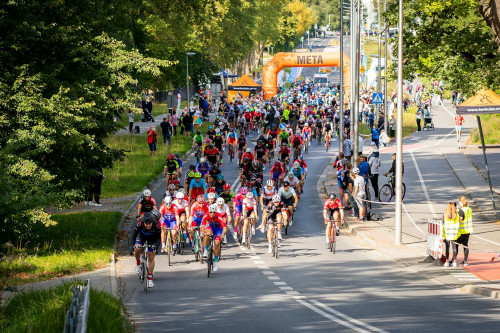
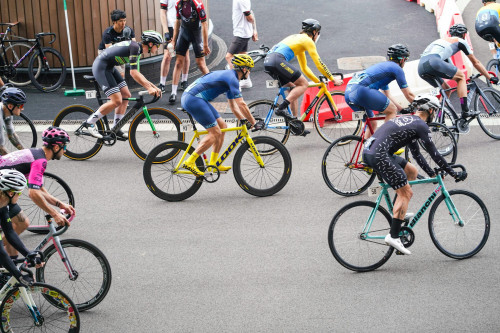
Shorter stage races, typically lasting three to eight days, are a different game. There’s little time to recover from mistakes, so the racing is more explosive and unpredictable. A single bad day can destroy overall hopes, leading to aggressive tactics and frequent surprises.
Predictions in these races depend more on form and momentum. Riders coming off a training block may lack sharpness, while those already racing regularly might be peaking. Weather, bonus seconds, and small time gaps play a bigger role, making it harder to identify a clear favorite.
Strategically, smaller races are open and opportunistic. Teams rarely have the resources to control the peloton every day, so breakaways and bold moves often succeed. Riders who serve as domestiques in Grand Tours may get the freedom to chase stage wins or even the overall title. The racing feels more spontaneous, with less emphasis on long-term control and more on seizing the moment.
Team Roles and Priorities
In Grand Tours, team roles are clearly defined: one leader for the overall classification, climbers to support in the mountains, a time trial specialist, and riders to protect the leader on flat stages. In smaller races, roles are more flexible. A rider might support a teammate one day and lead the next, depending on the stage profile and race situation.
Teams also prioritize differently. A Grand Tour is often the centerpiece of a season, requiring months of preparation. Smaller stage races serve as form tests or development opportunities for younger riders. That difference shapes both strategy and how success is measured — a stage win in a short race might mean more for a developing rider than a top-20 finish in a Grand Tour.
Predictions: Data, Form, and Context
For analysts and fans who enjoy forecasting results, the contrast between Grand Tours and smaller races is clear. In Grand Tours, statistical models and historical data are more reliable because the races follow a consistent rhythm. Over three weeks, luck tends to even out, and endurance and team depth prevail. In shorter races, chance and day-to-day form play a much larger role.
A good example is how a rider like Tadej Pogačar can dominate a Grand Tour through consistency and team support, while a punchy rider like Remco Evenepoel often thrives in shorter stage races where intensity and explosiveness matter more than long-term recovery.
Two Different Disciplines, One Shared Appeal
Though Grand Tours and smaller stage races differ in structure and strategy, both are essential to the rhythm of professional cycling. Shorter races bring variety, give emerging riders a platform, and serve as preparation for the season’s biggest events. Grand Tours, on the other hand, showcase the sport’s full drama — endurance, tactics, and resilience over three unforgettable weeks.
For fans and analysts alike, the key is to adapt their approach. Grand Tours reward patience and long-term analysis, while smaller stage races demand quick thinking and an eye for sudden shifts in momentum. Together, they reveal cycling as a sport where strategy and strength are inseparable — and where every race, long or short, tells its own story.
Læs også: