Compare Performance: Understanding a Horse’s Form Across Distances and Conditions

Compare Performance: Understanding a Horse’s Form Across Distances and Conditions
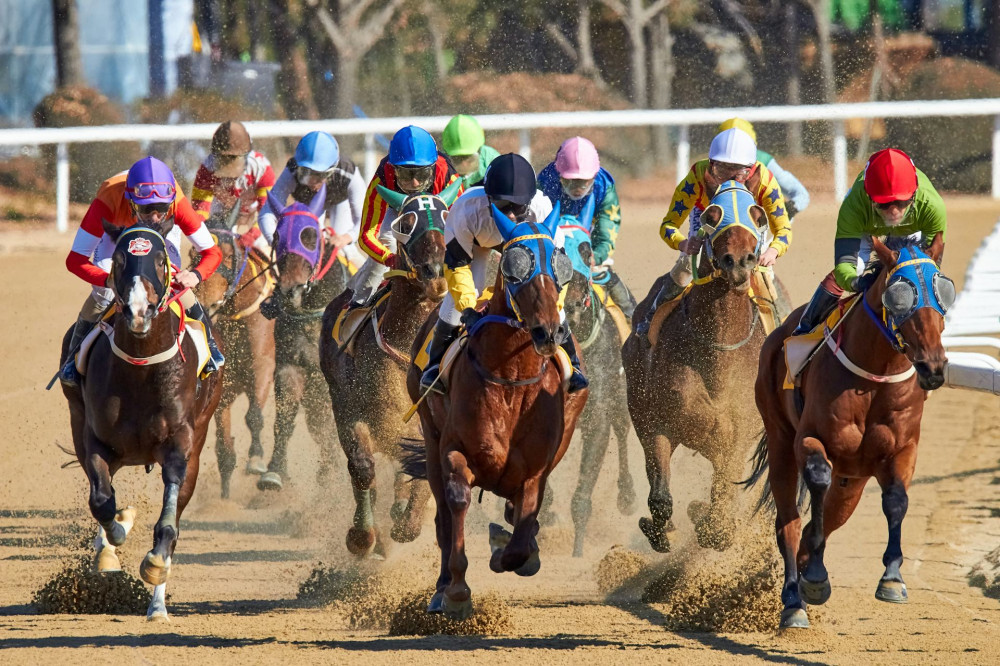
When following horse racing, it’s easy to get caught up in the latest results. A win looks impressive on paper, but does it really mean the horse is in peak form—or that it will perform just as well next time? To truly assess a horse’s form, you need to look beyond the finishing positions and compare performances across distances, track types, and conditions. Here’s a guide to help you understand and evaluate a horse’s form more accurately.
A Horse’s Form – More Than Just Finishing Positions
A horse’s form reflects its current performance level, but form isn’t just about wins and losses. A close second in a strong field can be more meaningful than an easy win against weaker competition. Always consider context: Who were the opponents? What was the race pace? What were the track conditions that day?
A good starting point is to review the horse’s last three to five races and note how it performed relative to the competition, post position, and race setup. This gives a more realistic picture of consistency and current ability.
Distance – Finding the Horse’s Natural Strength
Not every horse thrives at the same distance. Some have explosive speed suited for sprints, while others have the stamina for longer routes. A horse that dominates at one mile may not be as effective at a mile and a half.
When comparing performances, pay attention to:
- Best distances: Does the horse fade late in longer races, or maintain its pace throughout?
- Race tempo: A horse that likes a fast early pace may struggle in slower, tactical races.
- Trainer adjustments: If the trainer is experimenting with distances, it may indicate they’re still finding the horse’s ideal range.
By comparing results across distances, you can identify where the horse has a natural advantage—and where it might be pushed beyond its comfort zone.
Track Surface and Conditions – Hidden Performance Factors
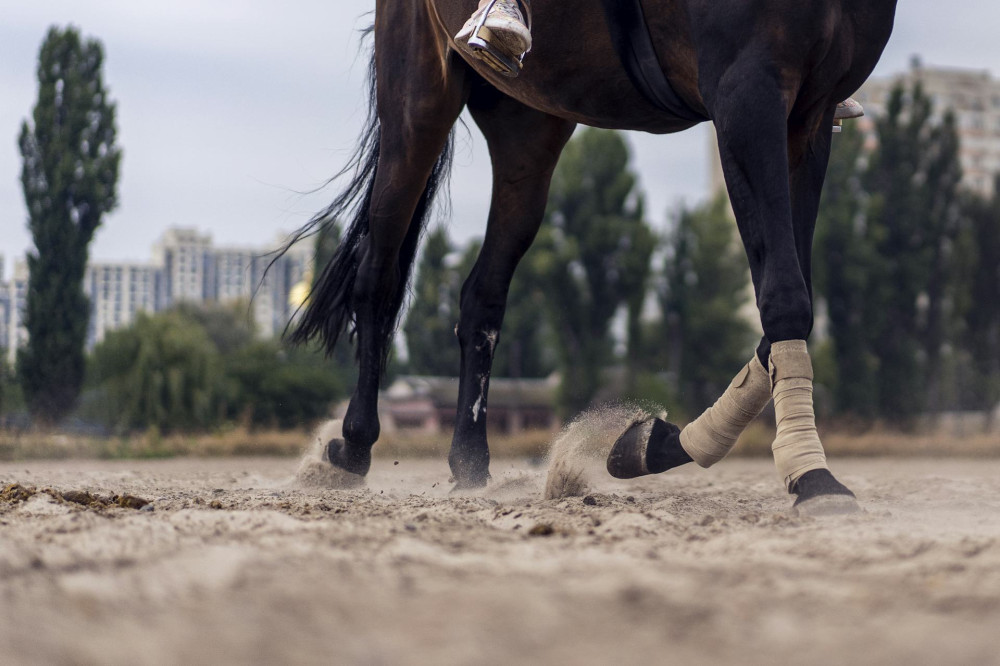
Track surface plays a major role in performance. Some horses excel on firm, fast dirt tracks, while others prefer turf or synthetic surfaces. A horse that wins on a dry, firm track may struggle on a wet, muddy one.
Always check:
- Surface type: Dirt, turf, or synthetic.
- Weather and track condition: Rain, heat, or cold can dramatically change how a track plays.
- Past results under similar conditions: Repeated patterns—good or bad—reveal a horse’s preferences.
By comparing performances across different surfaces and conditions, you can see whether a horse is versatile or dependent on specific circumstances.
Læs også:
Competition Level – Measuring Against the Field
A horse’s performance must always be judged relative to the competition. A win in a low-level claiming race doesn’t carry the same weight as a close finish in a graded stakes. Look at:
- Race class: The higher the class, the tougher the competition.
- Familiar rivals: Has the horse beaten others who went on to win?
- Margins: A narrow loss against strong opponents can signal improving form.
Comparing how a horse performs against different levels of competition gives a clearer sense of its true ability.
Jockey and Strategy – The Human Element
Even the best horse can underperform if the race strategy doesn’t fit. An experienced jockey can make a big difference by understanding the horse’s strengths and temperament. Consider:
- Consistency of rider: A regular jockey often knows how to get the best out of the horse.
- Trip and positioning: Did the horse get a clean run, or was it boxed in?
- Tactical changes: A shift in riding style or race plan can indicate the trainer is trying something new.
When comparing performances, note whether changes in jockey or tactics have had a noticeable impact on results.
Putting It All Together
Understanding a horse’s form means piecing together many small details. A systematic approach can help:
- Review recent races and note distance, surface, placement, and competition level.
- Highlight where the horse performed best.
- Look for patterns—such as “stronger on turf sprints” or “better on wet tracks.”
- Compare upcoming race conditions to the horse’s proven strengths.
This method helps you form a well-rounded view of how the horse is likely to perform next time—and prevents you from being misled by a single standout result.
Better Insight Leads to Better Evaluation
Comparing performances across distances and conditions takes time and attention, but it provides a much deeper understanding of a horse’s true form. For trainers, jockeys, and bettors alike, it’s the key to recognizing when a horse is genuinely in top shape—and when recent results may simply reflect favorable circumstances.
When you learn to look beyond the numbers, horse racing becomes less about luck and more about insight and analysis.
Læs også: