Behind the Scenes: How Racetracks Are Used for Training Horses

Behind the Scenes: How Racetracks Are Used for Training Horses
When the crowds have gone home and the grandstands fall silent, a different kind of energy takes over the racetrack. For trainers and owners across the United States, the track isn’t just a stage for competition—it’s a vital training ground where horses build strength, stamina, and confidence. Behind the scenes, every stride, every lap, and every rest period is carefully planned to prepare these athletes for their next big race.
From Thoroughbreds to Standardbreds – Different Tracks, Different Goals
American racetracks serve both Thoroughbred and Standardbred horses, and the training approach depends on the discipline.
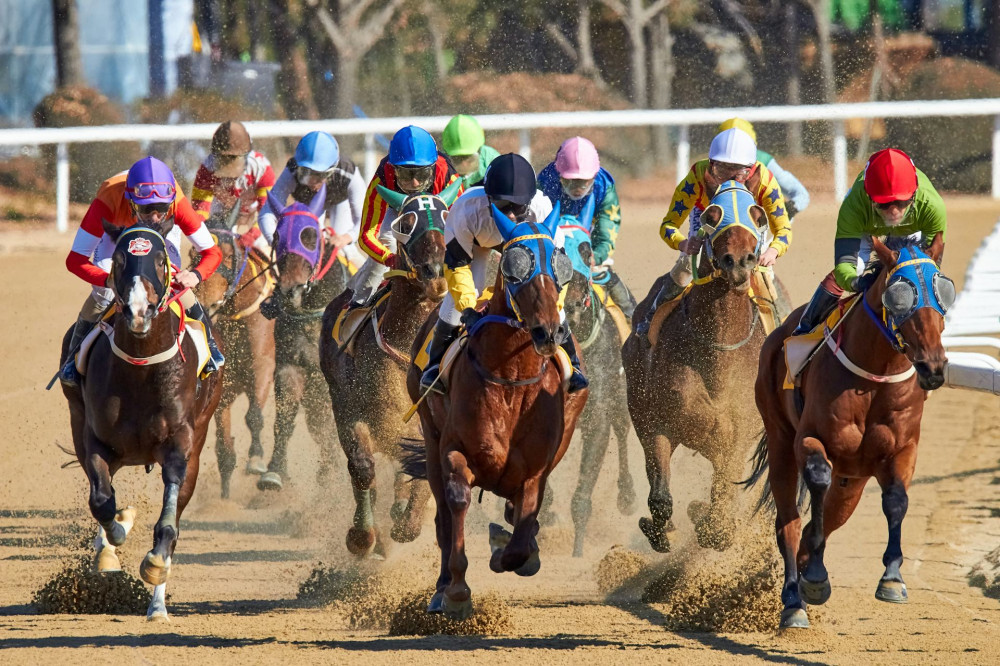
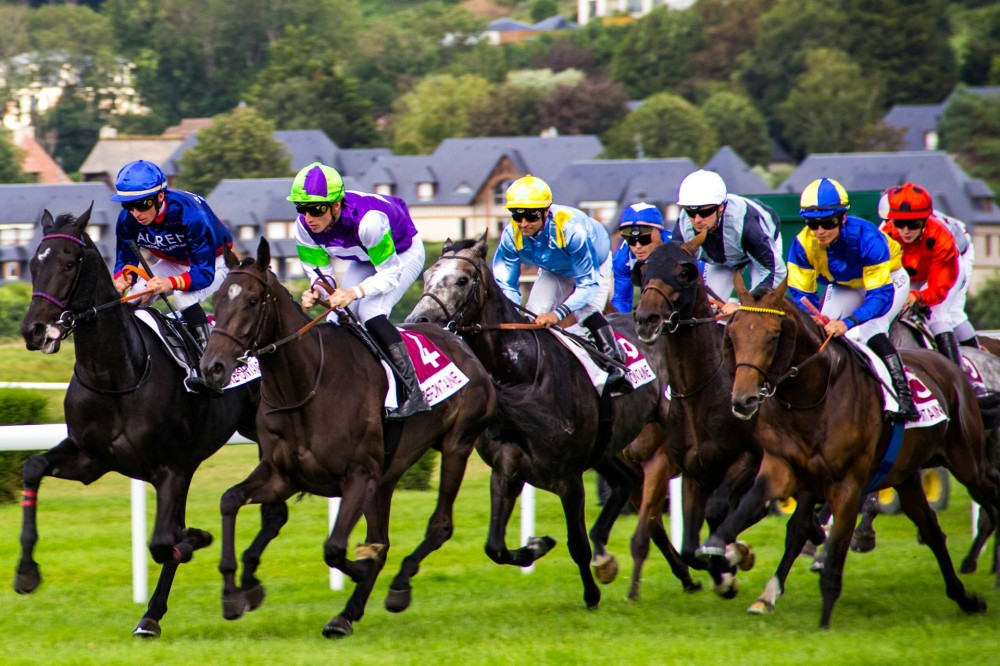
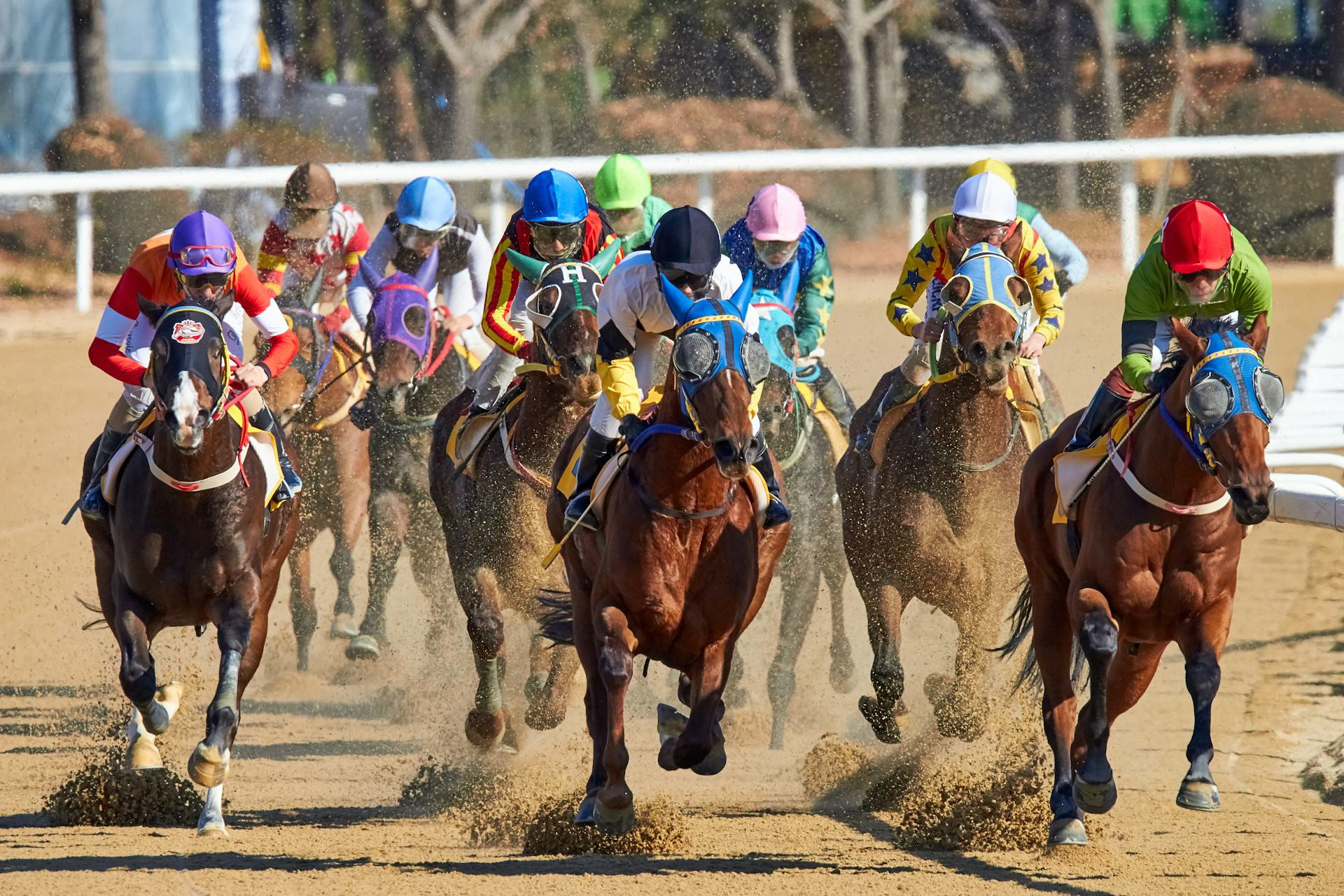
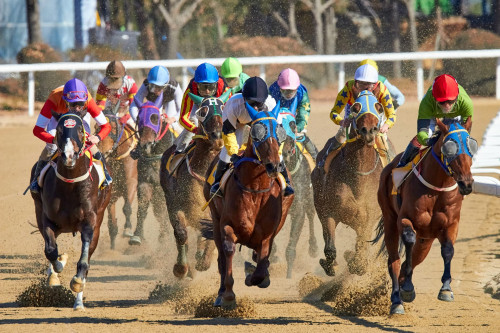
- Thoroughbreds, who race at a gallop, train with a jockey in the saddle. Their workouts focus on speed, acceleration, and balance.
- Standardbreds, who compete in harness racing, are trained in a sulky, emphasizing rhythm, endurance, and consistency.
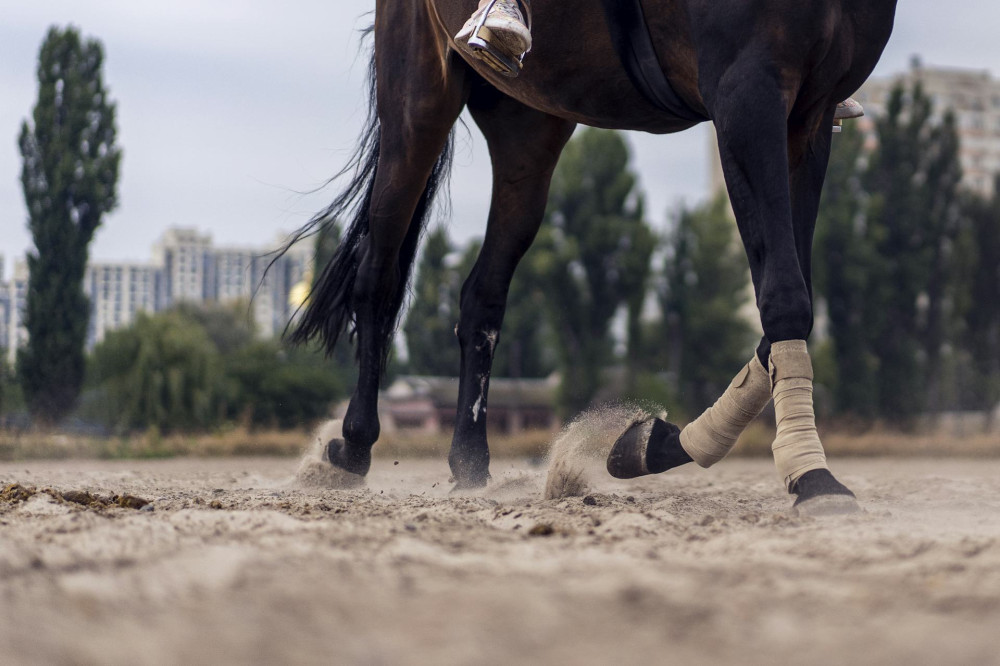
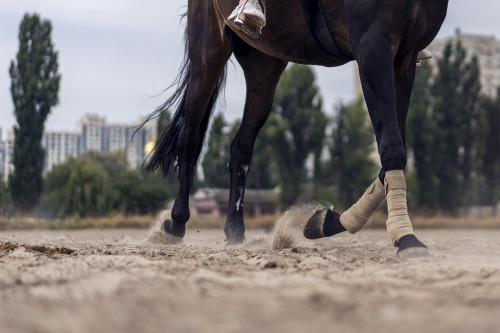
Track surfaces vary across the country. Many training tracks use a mix of sand, clay, and synthetic materials designed to cushion impact and reduce injury risk. Some facilities, like those in Kentucky or California, even adjust the surface composition depending on weather and season, ensuring optimal footing year-round.
A Week in the Life of a Racehorse
A racehorse’s training schedule is as structured as that of any professional athlete.
- Early in the week, horses often jog or gallop lightly to recover from weekend races.
- Midweek, workouts intensify with timed breezes or interval training, helping horses learn to change pace and respond to their rider’s cues.
- Toward the weekend, the focus shifts to flexibility, relaxation, and mental readiness.
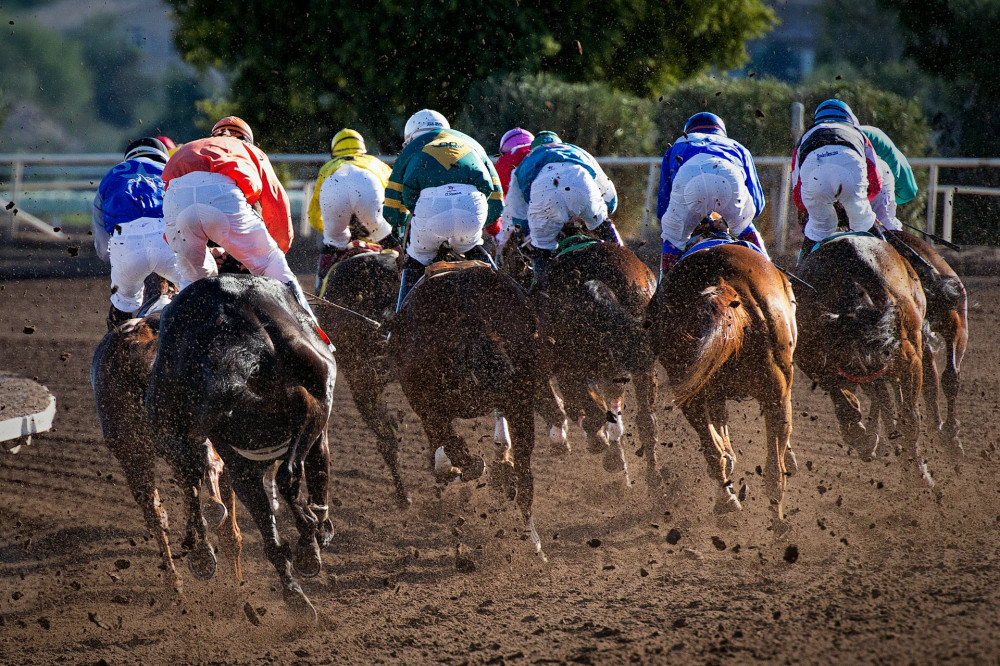
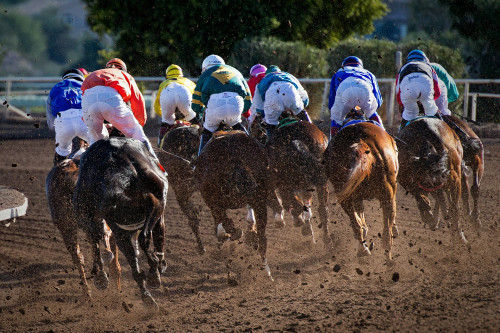
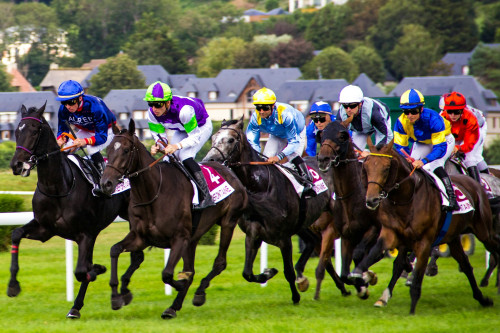
Trainers use different parts of the track—the backstretch, turns, and homestretch—to simulate race conditions. Horses learn how to handle tight corners, maintain pace in a pack, and surge forward when asked. Every session is designed to build both physical ability and race-day composure.
Technology Meets Tradition
Modern horse training blends time-honored horsemanship with cutting-edge technology. Many trainers now use GPS trackers and heart-rate monitors to measure a horse’s speed, recovery, and cardiovascular performance. The data helps identify when a horse is ready to push harder—or when it needs rest.
Some racetracks have installed motion sensors and video analysis systems to study stride patterns and detect subtle imbalances before they become injuries. This combination of data and experience allows trainers to fine-tune each horse’s program with remarkable precision.
Building Confidence and Routine
A successful racehorse must be as mentally steady as it is physically strong. That’s why racetracks are used not only for conditioning but also for mental training. Horses become familiar with the sights and sounds of race day—the starting gate, the announcer’s voice, the movement of other horses—so that nothing feels unfamiliar when it counts.
Trainers and exercise riders work to build trust, ensuring the horse stays calm even when adrenaline runs high. A confident horse performs better, and that confidence is often built quietly during early morning workouts long before the crowds arrive.
The Unsung Heroes: Track Maintenance Crews
Behind every safe and consistent training surface is a dedicated team of track workers. They drag, water, and grade the track daily to maintain the right level of firmness and elasticity. Even small adjustments in moisture or depth can make a big difference in performance and safety.
These crews also maintain the starting gates, railings, and training areas—tasks that require both technical skill and an understanding of equine behavior. Their work may go unnoticed by spectators, but it’s essential to every successful training session.
Fine-Tuning Before Race Day
As a major race approaches, training becomes more specific. Horses may complete short, sharp workouts known as “breezes” to simulate race pace without overexertion. Trainers adjust feed, equipment, and recovery routines to ensure the horse peaks at just the right moment.
This final phase is where experience truly matters. Knowing when to push and when to hold back can be the difference between a good performance and a winning one.
Læs også:
A World of Precision and Passion
Training on racetracks is a blend of science, skill, and intuition. Every horse is unique, and finding the right balance of work, rest, and care takes patience and deep understanding. Behind the few minutes of excitement that define a race lie countless hours of preparation, teamwork, and dedication.
When a horse thunders down the stretch toward the finish line, it’s not just a display of speed—it’s the culmination of quiet mornings, careful planning, and the unwavering passion of the people who live and breathe the sport.
Læs også: