Technique and Focus: The Key to Stronger Dart Performance

Technique and Focus: The Key to Stronger Dart Performance
At first glance, darts might seem simple: three darts, a round board, and a goal to hit the target. But behind every accurate throw lies a blend of technique, concentration, and mental control. Whether you play casually at home or dream of improving your performance in local leagues, small adjustments in your form and focus can make a big difference. Here’s how to strengthen your dart game—both physically and mentally.
Find Your Stance
A solid and comfortable stance is the foundation of every good throw. It’s all about balance, stability, and consistency.
- Foot placement: Position your lead foot slightly angled toward the dartboard, carrying most of your weight. Your back foot should provide support without tension.
- Body posture: Keep your body relaxed but steady. Avoid leaning too far forward—it can throw off your balance and accuracy.
- Distance and height: Stand behind the throw line (oche) and make sure your arm can move freely without shoulder strain.
Once you find a stance that feels natural, stick with it. Consistency is key to developing a reliable throwing technique.
The Rhythm of the Throw
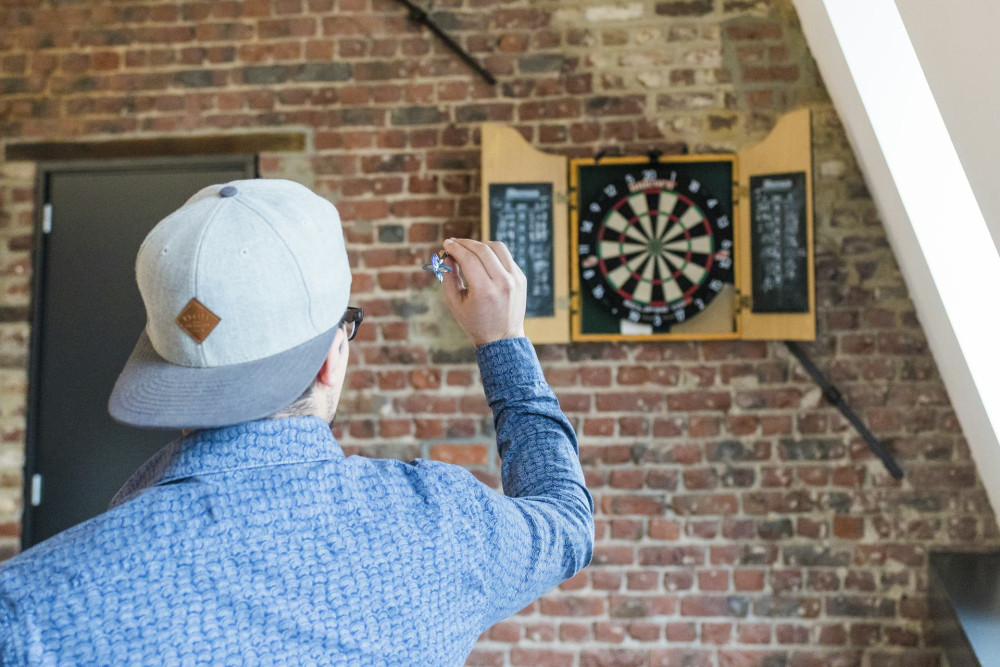
A dart throw consists of three main parts: the backswing, the forward motion, and the release. Each should flow smoothly into the next.
- Backswing: Keep it controlled and steady—don’t pull your arm too far back.
- Forward motion: Move in one fluid motion, using your elbow as a hinge.
- Release: This is the crucial moment. Let go of the dart when your arm points directly at the target, and allow your hand to follow through naturally.
Recording your throw on video can help you analyze your movement. Even small adjustments in tempo or grip can lead to noticeable improvements.
Læs også:



Focus and Mental Strength
Darts is as much a mental game as it is a technical one. The ability to stay focused—especially under pressure—separates good players from great ones.
- Train concentration: Practice focusing on one element at a time—whether it’s the bullseye, your breathing, or the rhythm of your throw.
- Manage nerves: Feeling nervous is normal, but it can be controlled. Use deep breathing and visualization to calm your mind before each throw.
- Think process, not outcome: Instead of fixating on hitting a specific score, focus on executing your throw correctly. The results will follow.
Many professional players use mental routines to reset between throws—a short pause, a steady gaze at the target, or a repeated motion can help regain focus.
Purposeful Practice
Effective dart training isn’t just about throwing hundreds of darts—it’s about practicing with intention. Break your sessions into focused segments:
- Accuracy drills: Practice hitting specific targets, like triple 20 or double 16. Repetition builds muscle memory.
- Match simulation: Play against others or keep score against yourself to mimic real competition.
- Mental training: Practice under distractions—music, noise, or time pressure—to strengthen your ability to stay calm.
Create a training plan and track your progress. Keeping a log helps you see improvements and identify areas to refine.
Equipment and Fine Details
While technique matters most, the right equipment can support your development. Choose darts that fit your hand and throwing style—weight, length, and grip all make a difference. Don’t be afraid to experiment until you find what feels right.
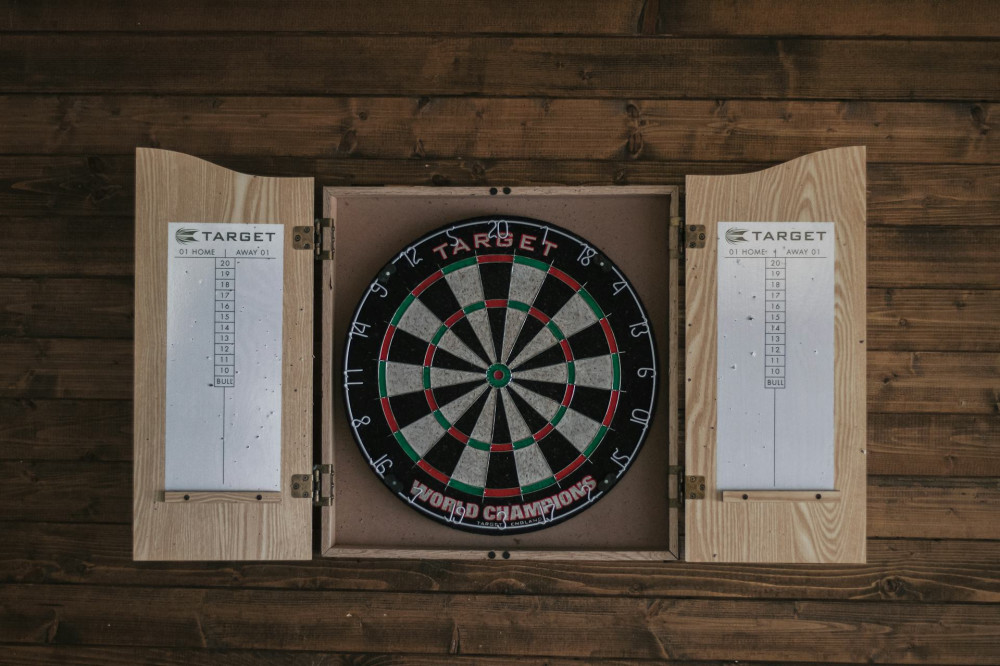
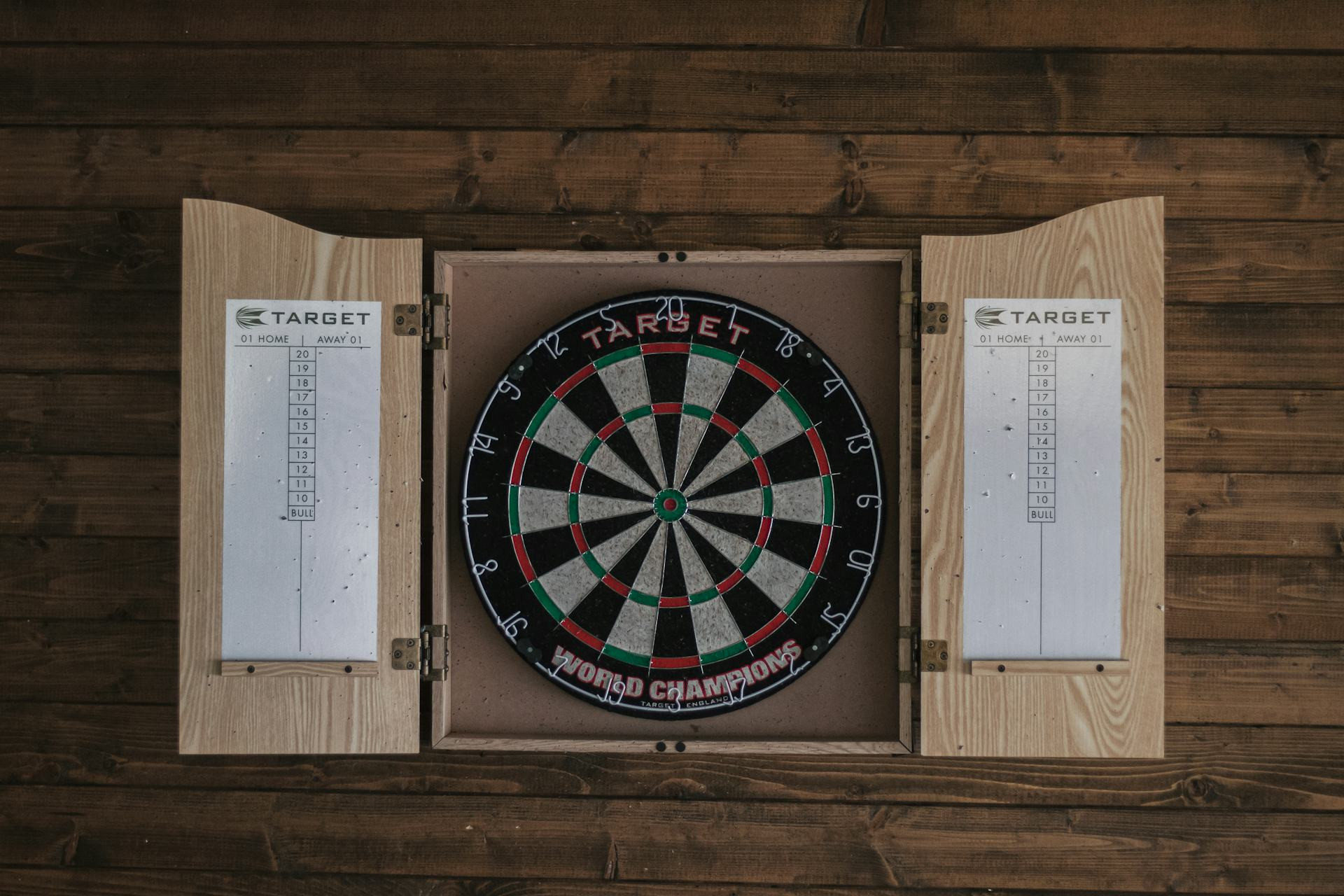
Make sure your dartboard is set up correctly: the bullseye should be 5 feet 8 inches from the floor, and the throw line should be 7 feet 9¼ inches from the board. A proper setup ensures you’re practicing under standard conditions.
From Technique to Confidence
Once your technique is solid and your focus sharp, confidence naturally follows. That’s when the game becomes truly enjoyable—when your movements feel smooth and your results start to show. Remember, improvement takes time, and even the best players continue refining their throws.
In the end, darts is about balance—between body and mind, technique and instinct. With patience, structure, and focus, you can elevate your game to the next level—one precise throw at a time.
Læs også: