Pit Stops and Tire Choices: The Decisive Factors Behind Championships

Pit Stops and Tire Choices: The Decisive Factors Behind Championships
In motorsport, victory isn’t just about raw speed. Behind every championship lies a series of strategic decisions, where pit stops and tire choices often make the ultimate difference. A perfectly executed stop can win a race — a poor tire call can lose it. In a sport where milliseconds matter, these moments often define the line between triumph and defeat.
High-Speed Strategy
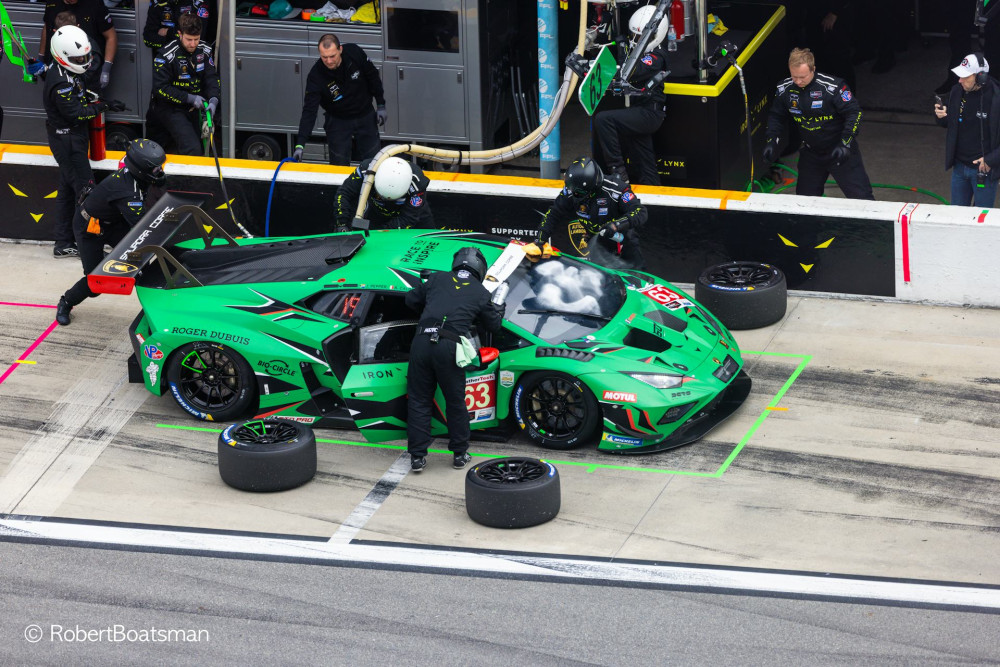
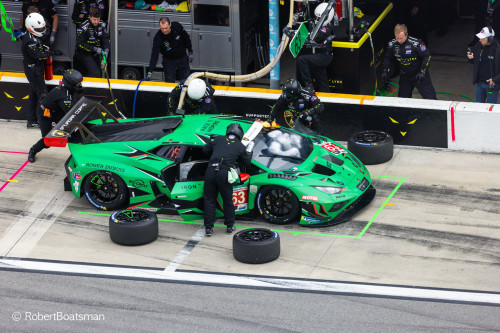
A pit stop is far more than a quick tire change. It’s a carefully orchestrated part of race strategy, where engineers, strategists, and drivers work together to find the ideal moment to switch tires or refuel (in series where refueling is allowed).
In Formula 1, where pit stops can be completed in under three seconds, precision is everything. A single misplaced wheel gun or a slow mechanic can cost multiple positions. That’s why pit crews practice hundreds of times between races to ensure every move is second nature.
Timing, however, is just as critical as execution. A stop made at the perfect moment — just before a rain shower or during a safety car period — can yield a massive tactical advantage. It takes experience, intuition, and real-time data analysis to make that call under pressure.
Læs også:
Tire Choices: The Balance Between Grip and Durability
Tires are the car’s only contact with the track, and their performance changes constantly throughout a race. Choosing between soft, medium, or hard compounds is about finding the right balance between grip and longevity.
- Soft tires offer maximum grip and faster lap times but wear out quickly.
- Hard tires last longer but provide less traction and take more time to warm up.
- Intermediate and wet tires come into play when weather conditions shift and the track becomes damp or soaked.
A wrong tire choice can destroy a race. Staying on slicks too long in the rain can cost seconds per lap, while switching to wets too early can cause overheating and loss of grip.
That’s why teams constantly monitor temperature, wear, and weather forecasts to react in time. In modern racing, data analysis and simulation are as vital as the driver’s feel for the car.
When Strategy Wins Championships
History is full of examples where smart pit stops and tire strategies have decided championships. A team willing to take risks — staying out while others pit, for instance — can reap huge rewards if the timing is right.
But it takes courage and trust. The driver must believe in the team’s vision, and the engineers must trust the driver’s ability to handle the car when the tires are on the edge.
In endurance racing, such as the 24 Hours of Le Mans, strategy becomes even more complex. It’s not just about quick stops but about planning tire changes and fuel management over many hours. A single miscalculation can be costly — but a well-timed strategic move can secure victory.
The Role of Technology
Modern motorsport is increasingly driven by data. Sensors measure everything from tire temperature and pressure to wear patterns and grip levels. This information is transmitted in real time to the pit wall, where analysts determine the optimal moment for a stop.
At the same time, tire development has transformed the game. Manufacturers like Pirelli, Michelin, and Goodyear produce compounds tailored to specific tracks and temperatures. Teams use simulators to test strategies long before the cars hit the asphalt.
Technology has made racing more precise — but also more unpredictable. Even with all the data in the world, weather changes, safety cars, or unexpected punctures can still turn everything upside down.
The Human Element
Despite the rise of technology, it’s still people who make the crucial decisions. A driver who senses the tires losing grip, or a strategist who dares to take a gamble, can be the difference between a podium finish and defeat.
It’s this blend of technology, intuition, and teamwork that makes motorsport so captivating. Championships are rarely won on speed alone — they’re won through the harmony between driver, team, and strategy.
Conclusion: Seconds That Create Legends
Pit stops and tire choices aren’t just practical necessities — they’re the heartbeat of modern racing. They demand precision, courage, and world-class timing. When everything comes together, a single pit stop can change history.
For fans, teams, and drivers alike, it’s this unpredictability that keeps the sport alive. In the end, it’s not just the power of the engine but the power of human decision-making that determines who stands on the top step of the podium.
Læs også: