Motivation and Morality: The Hidden Factors Behind the Outcome of a Hockey Game

Motivation and Morality: The Hidden Factors Behind the Outcome of a Hockey Game
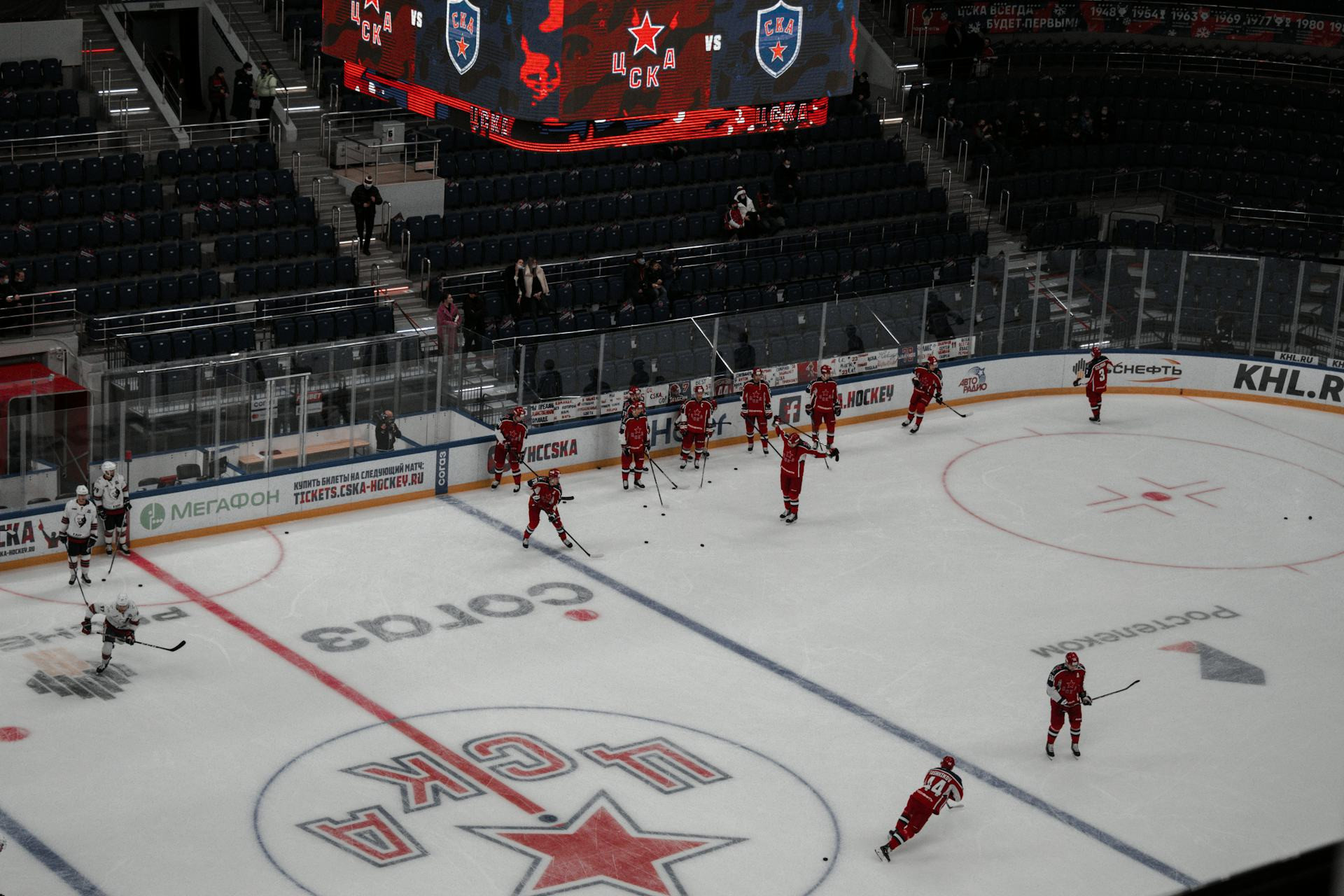
When the puck drops and the game begins, hockey becomes more than a contest of speed, skill, and strategy. Beneath every pass, shot, and save lies a web of psychological and moral forces that often determine who walks away victorious. Motivation, team spirit, and moral strength can’t be measured on a scoreboard, yet they frequently make the difference between triumph and defeat.
The Drive Within
Motivation is the fuel that keeps players pushing through grueling practices and high-pressure moments. It can come from many sources: the desire to win, loyalty to teammates, or a personal goal to improve. Coaches often distinguish between “intrinsic” and “extrinsic” motivation. Intrinsic motivation comes from the love of the game itself—the satisfaction of playing well and giving one’s best effort. Extrinsic motivation, on the other hand, is tied to rewards such as trophies, contracts, or public recognition. The most consistent performances tend to come when intrinsic motivation dominates—when players compete because they love the game, not just because they want to win.
Team Morale – The Invisible Strength
A hockey team is only as strong as its unity. Morale is built on trust, respect, and the shared belief that the team can overcome adversity. A team with high morale responds to setbacks with renewed energy, while one with low morale often loses focus and cohesion.
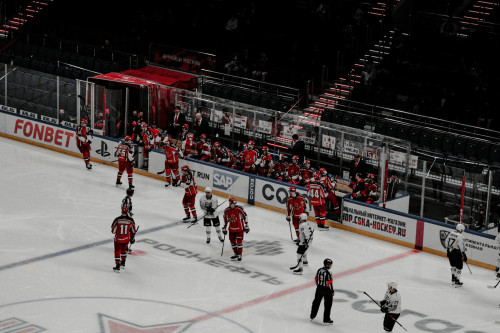
Coaches and captains play a crucial role in shaping this morale. Small gestures—a pat on the back, a word of encouragement, or a player taking responsibility after a mistake—can keep spirits high. In the final minutes of a tight game, that collective belief in one another can be the deciding factor.
Momentum and the Psychology of the Game
Hockey is a sport of rapid shifts—both in pace and in psychology. A single goal can change the entire emotional landscape of a game. When a team gains momentum, confidence rises, and players take bolder risks. Conversely, a bad bounce or a penalty can sow doubt and frustration.
Experienced coaches know how to manage these emotional swings. They sense when to call a timeout to calm nerves or when to let the team ride the wave of excitement. The mental game is every bit as important as the tactical one.
The Power of Leadership
Strong leadership on the ice can be the difference between a team that collapses and one that fights until the final buzzer. Captains and veteran players serve as anchors for the group, showing how to handle pressure and maintain focus when the game tightens.
Leadership isn’t just about shouting in the locker room—it’s about setting an example. When younger players see veterans working hard, staying composed, and taking responsibility, that attitude spreads throughout the team. True leaders inspire confidence not through words alone, but through consistent action.
Character in Victory and Defeat
After a game, commentators often say a team “showed character.” That phrase captures the essence of moral strength—the ability to keep fighting even when the odds are against you. Some of the most memorable victories in hockey history have come from teams that refused to quit, even when outmatched on paper.
Conversely, a team with fragile morale can unravel quickly, no matter how talented its roster. This shows that moral character isn’t an abstract concept—it’s a tangible force that shapes the outcome of the game.
Læs også:
When Motivation and Morality Unite
Motivation and morality are deeply intertwined. Individual motivation drives each player to perform, while team morality binds the group together. When both align, something special happens: the team plays with instinct, trust, and heart.
That’s when hockey transcends sport. It becomes a reflection of human will, cooperation, and the belief that together, people can overcome even the toughest challenges.
Læs også: