Loss as Learning: How to Handle and Accept Defeat as a Natural Part of the Game

Loss as Learning: How to Handle and Accept Defeat as a Natural Part of the Game
Losing is an inevitable part of any game—whether it’s sports, poker, esports, or fantasy leagues. Yet, for many Americans, defeat can feel deeply personal. It stings, frustrates, and sometimes shakes our confidence. But loss doesn’t have to be the end of the story. In fact, it can be one of the most powerful teachers you’ll ever have. This article explores how to handle and accept defeat as a natural part of the game—and how to use it to grow stronger, smarter, and more resilient.
Why Losing Hurts So Much
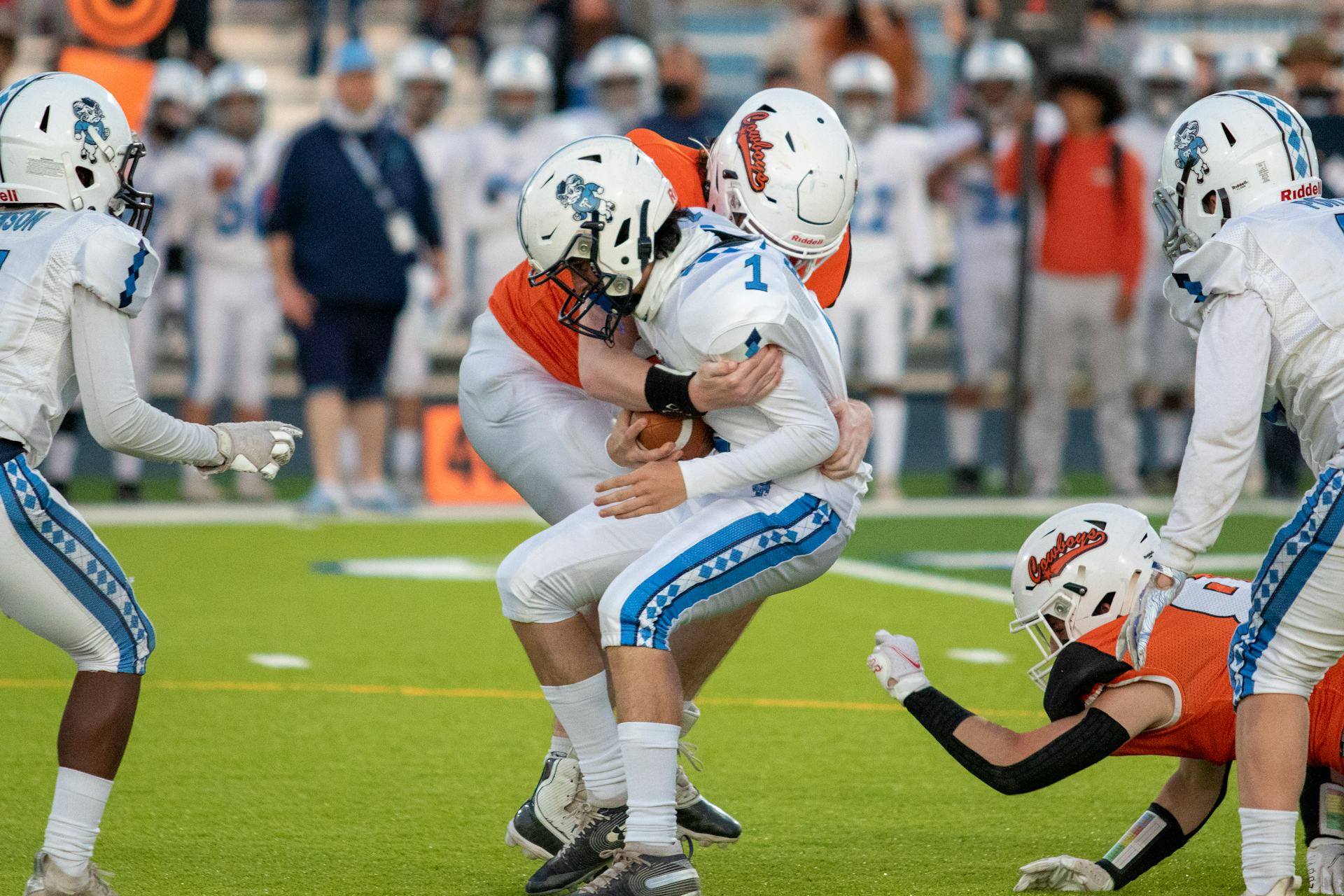
When we lose, it often feels like a reflection of who we are. In a culture that celebrates winning—from Little League trophies to professional championships—defeat can feel like failure. But games, by their very nature, involve chance, uncertainty, and factors beyond our control.
Psychologists call this loss aversion: our brains react more strongly to losses than to gains. We remember defeats more vividly and assign them greater emotional weight. That’s why a single loss can overshadow a dozen wins.
Recognizing this bias is the first step toward handling loss better. When you understand that your frustration is a natural human response, it becomes easier to step back, breathe, and see the situation more clearly.
Learning from Defeat
Every loss carries a lesson—if you’re willing to look for it. Instead of focusing solely on the outcome, analyze the process that led there. Ask yourself: What went well? What could I have done differently? Was there something I missed?
- Evaluate your decisions, not just the results. A smart move can still lead to a bad outcome, and a risky one can sometimes pay off. Over time, consistent decision quality matters more than short-term results.
- Look for patterns. Do you make the same mistakes after a loss? Do emotions drive your choices? Identifying your habits is key to improving your game.
- Keep a record. Many serious players—whether in poker, chess, or sports—keep notes on their performance. Writing things down helps you see progress and turn experience into insight.
When you treat losses as data instead of disasters, they become part of your development rather than a roadblock.
Læs også:


Accept What You Can’t Control
No matter how skilled you are, luck and randomness play a role in every game. You can make the best possible decision and still lose. Accepting that uncertainty is essential to maintaining a healthy relationship with competition.
Focus on what you can control—your preparation, your mindset, and your response to outcomes. Let go of the rest. That ability to release what’s beyond your influence is what separates seasoned players from frustrated ones.
It also helps to set clear boundaries: decide how much time, money, or energy you’ll invest before you start. Sticking to those limits keeps you grounded, even when results fluctuate.
The Mental Strength of Losing Well
Handling defeat isn’t just about strategy—it’s about mental resilience. It takes patience, self-awareness, and the ability to stay calm under pressure. Many professional athletes and gamers work with mental coaches to strengthen this skill.
Try to view loss as part of a larger journey. No one wins all the time—not even the greats. What defines long-term success is the ability to recover, learn, and keep going with focus and composure.
One useful technique is practicing emotional distance: observing your performance as if you were watching someone else play. This perspective helps you make rational decisions and prevents emotions from taking over.
Make the Game an Experience, Not a Battle
When you see the game as an experience rather than a fight to win, your entire approach changes. Games are meant to entertain, challenge, and engage—not to cause constant stress. By focusing on the process instead of the outcome, you’ll find more enjoyment and less frustration.
Ask yourself: Why do I play? If your answer involves curiosity, community, or the desire to improve, you’re on the right track. But if it’s about chasing losses or proving something, it might be time to pause and reset your mindset.
Loss as Part of Growth
Losing isn’t a sign of weakness—it’s proof that you’re in the arena, learning and evolving. Every setback offers a chance to refine your understanding, sharpen your strategy, and strengthen your mental game.
When you learn to accept loss as a natural part of playing, you don’t just become a better player—you become more balanced in how you approach both games and life. Defeats will never disappear completely, but they can become your most valuable teachers.
Læs også: