Fight Analysis for Beginners: Understanding the Dynamics of Combat Before You Play

Fight Analysis for Beginners: Understanding the Dynamics of Combat Before You Play
Understanding a fight is about much more than knowing the names of the two fighters. A solid fight analysis gives you insight into how style, physical ability, strategy, and mental toughness interact—and how those factors can shape the outcome. For beginners, it might seem complicated, but with a few basic principles, you can quickly learn to recognize patterns and tendencies that help you make smarter predictions before you place a bet or pick a winner.
What Is Fight Analysis?
Fight analysis is the systematic breakdown of the factors that can influence the result of a bout. It’s not just about numbers—it’s about understanding the dynamics between two fighters: how they move, how they react under pressure, and where their strengths and weaknesses lie.
A good analysis combines objective data—like past results, training history, and physical condition—with subjective assessments of style, tactics, and mental readiness. That combination is what separates an informed opinion from a simple guess.
Know the Fighters’ Styles
One of the most important parts of fight analysis is understanding how each fighter approaches combat. While every athlete is unique, most styles fall into a few broad categories:
- The Technician – precise, patient, and tactical. Wins by controlling distance and scoring points.
- The Slugger – looks for the knockout with heavy punches but can struggle against faster opponents.
- The Counterpuncher – waits for mistakes and strikes back with accuracy.
- The Pressure Fighter – constantly moves forward, forcing the opponent to fight at their pace.
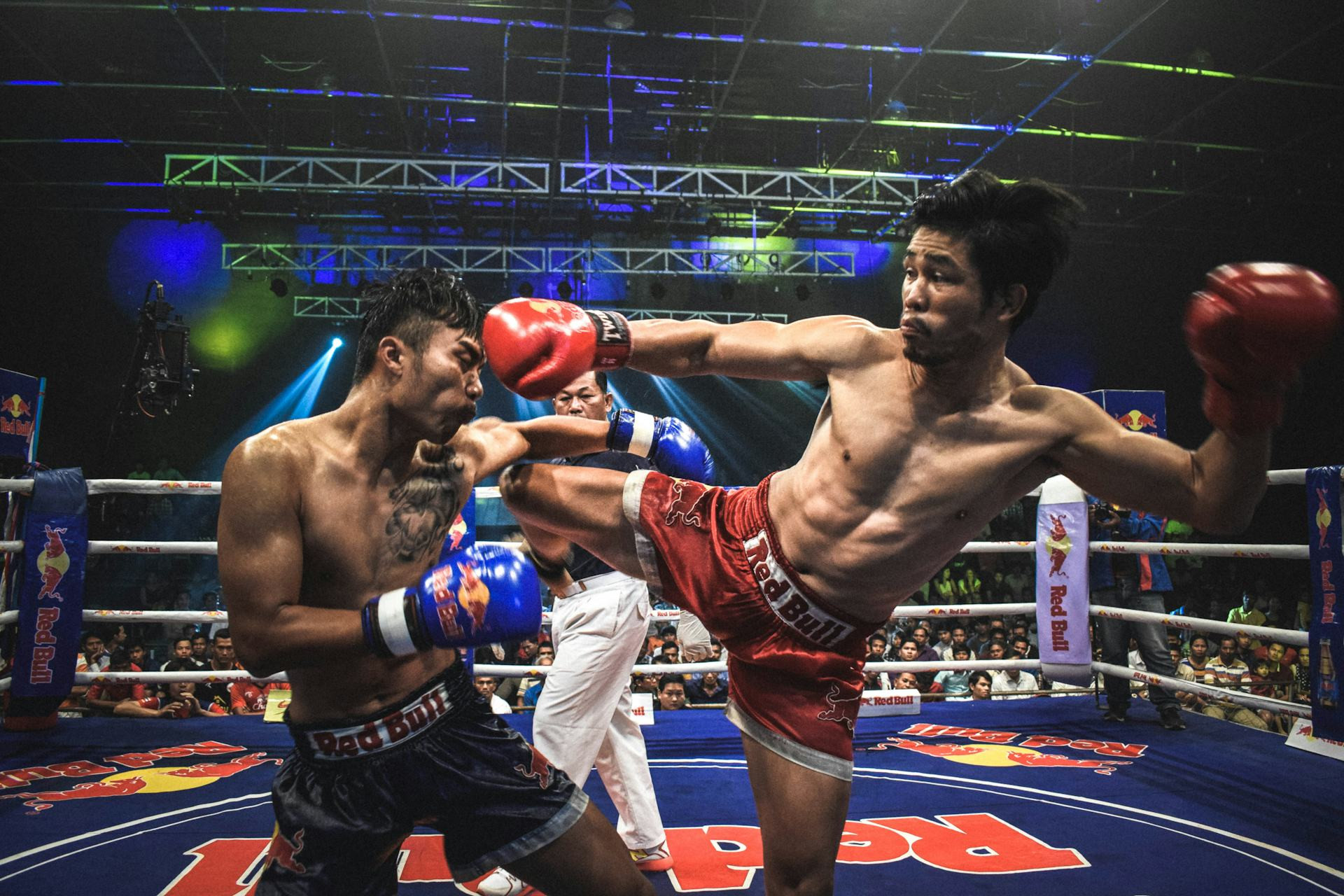
When analyzing a matchup, think about how these styles interact. A technician can often neutralize a slugger, while an aggressive fighter can overwhelm a defensive one. It’s all about matchups—who gets to dictate the rhythm of the fight.
Læs også:




Physical Condition and Preparation
Even the most talented fighter can lose if they’re not in top shape. Look at how each fighter has performed recently: Has their speed dropped? Have they dealt with injuries? Have they changed weight classes?
Weight is especially important in combat sports. A fighter moving up might lose speed, while one cutting down might lose power or stamina. Training camps, sparring partners, and preparation routines can also reveal how ready a fighter is for the challenge ahead.
Statistics—Use Them Wisely
Numbers can be helpful, but they need context. A fighter with a high knockout rate doesn’t automatically have the edge if their opponents have been weaker. Always consider the quality of competition, not just the record.
Some key stats to look at include:
- Punch accuracy – how many punches actually land.
- Defense rate – how many punches the fighter avoids.
- Average fight length – gives clues about endurance and strategy.
- Opponent quality – provides context for all other numbers.
Statistics are tools, not answers. They should always be interpreted alongside other factors like style and mindset.
The Mental Game
Fighting is as much psychological as it is physical. A fighter coming off a tough loss might be under pressure, while one riding a big win could be overconfident. Motivation, focus, and emotional control all play huge roles.
Pay attention to interviews, social media posts, and comments from coaches. These can offer subtle hints about a fighter’s mental state. Calm confidence is usually a good sign, while excuses or visible frustration can signal doubt.
The Context of the Fight
The circumstances surrounding a fight can also influence the outcome. Is it a title bout, a rematch, or a tune-up fight? Is the fighter competing at home or traveling across the country? The crowd, judges, and environment can all have an impact.
A hometown fighter might draw energy from the crowd—but also feel extra pressure. An underdog fighting away from home might have less to lose and fight more freely. Context matters more than many fans realize.
Putting It All Together
Once you’ve considered the key factors—style, condition, stats, mentality, and context—you can start forming your overall assessment. Ask yourself:
- Who is more likely to control the pace?
- Who has shown more consistency in recent fights?
- What tactical options does each fighter have?
It can help to make a quick list of pros and cons for each fighter. Seeing the comparison on paper often clarifies where the real advantages lie—and whether there’s value in a particular prediction or bet.
Practice Makes Perfect
Fight analysis is a skill that improves with experience. The more fights you watch and break down, the better you’ll get at spotting patterns and evaluating probabilities. Start by following a few fighters closely and track how their styles evolve over time.
Eventually, you’ll find that fight analysis isn’t just about predicting winners—it’s about understanding the sport on a deeper level. That insight makes watching, discussing, and even betting on fights far more engaging and rewarding.
Læs også: